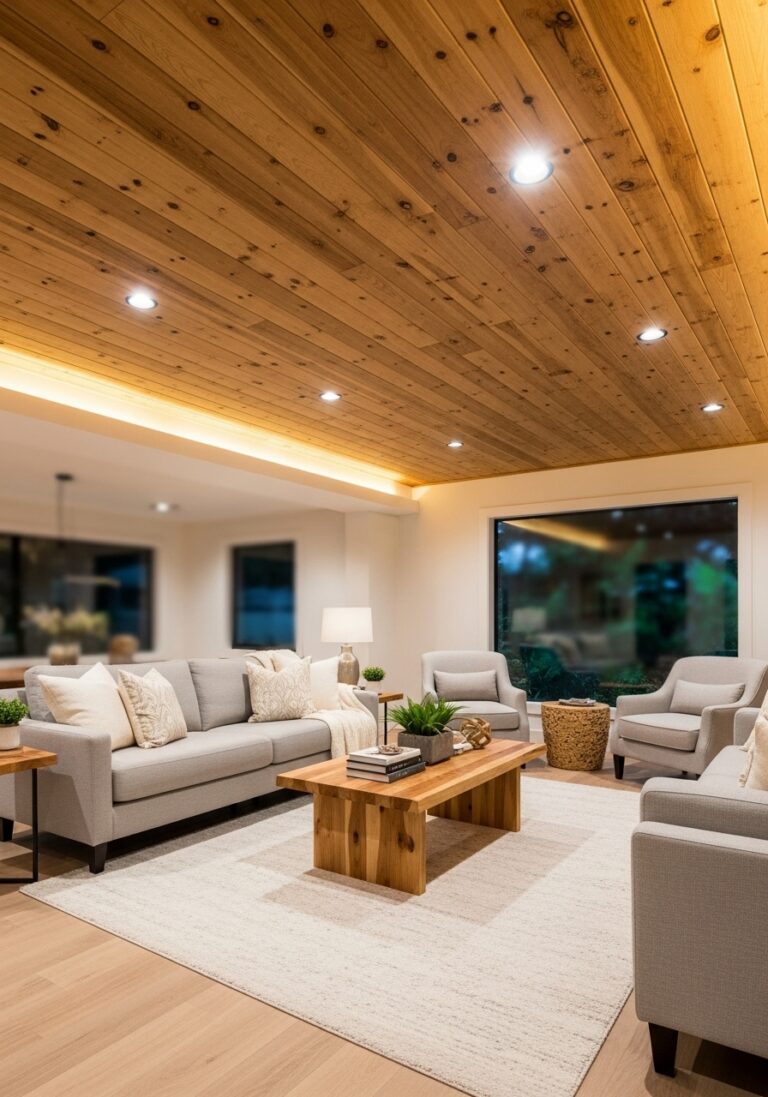
Perfect homes look nice for photos. They feel exhausting in real life. One scratch shows up, and suddenly everything feels ruined. I used to chase that polished look until I discovered something way more relaxing.
Wabi sabi interior design ideas changed how I see my space. Instead of fixing every flaw, I started appreciating them. And honestly, my home finally feels calm instead of staged.
What Is Wabi Sabi and Why Does It Feel So Different

Wabi sabi comes from a Japanese philosophy that celebrates imperfection, simplicity, and natural aging. It doesn’t chase perfection. It embraces reality.
You don’t need matching furniture or flawless finishes. You need authentic pieces that tell a story.
Ever noticed how a slightly worn wooden table feels warmer than a brand new glossy one? That’s wabi sabi doing its thing.
Core Principles of Wabi Sabi Design
- Imperfection over perfection
- Natural materials over synthetic finishes
- Simplicity over excess
- Aging and wear as beauty
IMO, this mindset feels like a relief after years of trying to make everything look perfect.
Start With Decluttering but Keep Character

Wabi sabi loves simplicity, but it doesn’t support empty, lifeless spaces. You need balance.
I removed clutter from my room, but I kept items that had meaning. That made a huge difference.
How to Declutter the Wabi Sabi Way
- Keep items that feel personal or meaningful
- Remove anything that feels forced or unnecessary
- Avoid over styling your space
- Let your home breathe
Ask yourself this. Does this item add calm or just take up space?
Choose Natural Materials That Age Gracefully

Materials define the entire vibe. Wabi sabi relies on textures that evolve over time.
I swapped synthetic decor for natural pieces, and my space instantly felt grounded.
Best Materials for Wabi Sabi Interiors
- Raw wood with visible grain
- Linen and cotton fabrics
- Stone and clay elements
- Ceramics with uneven finishes
These materials don’t just look good. They get better with age.
Embrace Imperfections Instead of Hiding Them

This part feels weird at first. You stop fixing every little flaw.
That small crack in your pottery or that slightly uneven shelf? Keep it.
Examples of Beautiful Imperfections
- Handmade ceramics with irregular shapes
- Weathered wooden furniture
- Textured walls with subtle flaws
- Faded fabrics with soft wear
Ever tried to hide every flaw in your home? Exhausting, right?
Wabi sabi lets you relax a bit 🙂
Keep Colors Soft, Neutral, and Earthy

Color plays a huge role in creating that calm feeling.
I moved away from bold colors and focused on earthy tones. My space felt quieter instantly.
Ideal Wabi Sabi Color Palette
- Beige and warm whites
- Soft browns and taupe
- Muted greens and greys
- Dusty, desaturated tones
Avoid high contrast and overly bright colors. You want your space to feel calm, not loud.
Focus on Minimalism Without Making It Cold

Minimalism sometimes feels empty and sterile. Wabi sabi avoids that.
You keep things simple, but you add warmth through textures and materials.
How to Balance Minimalism and Warmth
- Use fewer but meaningful pieces
- Add layered textures like rugs and fabrics
- Keep surfaces mostly clear but not empty
- Avoid over decorating
Ever walked into a minimal space that felt like a showroom? Yeah, we’re not doing that here.
Add Handmade and Vintage Pieces

Mass produced items rarely capture the wabi sabi vibe.
I started collecting handmade ceramics and vintage decor. Each piece added personality.
What to Look For
- Handcrafted pottery and bowls
- Vintage wooden furniture
- Artisan decor items
- Second hand finds with history
These items feel unique. They bring character that new items often lack.
Let Nature Be Part of Your Design

Nature plays a big role in wabi sabi interiors. You don’t need a jungle. You need subtle natural touches.
I added a few plants and branches, and the space felt alive without feeling crowded.
Easy Ways to Add Nature
- Use indoor plants with organic shapes
- Display dried branches or flowers
- Add stone or clay decor
- Let natural light take center stage
FYI, you don’t need perfect plants. Slightly imperfect ones actually fit better here.
Lighting Should Feel Soft and Natural

Lighting can ruin or elevate the entire space.
Harsh lighting kills the calm vibe instantly. I learned this after installing overly bright lights that made my room feel like an office.
Best Lighting Choices
- Warm toned bulbs
- Soft diffused lighting
- Paper or fabric lampshades
- Natural daylight whenever possible
Soft lighting creates that peaceful atmosphere you want.
Create Space for Stillness

Wabi sabi doesn’t just focus on visuals. It focuses on how a space feels.
You need areas where nothing demands attention.
How to Create Calm Zones
- Leave intentional empty space
- Avoid filling every corner
- Keep layouts simple and open
- Let your eye rest
Ever felt overwhelmed in a crowded room? This fixes that.
Budget Friendly Wabi Sabi Ideas

You don’t need expensive decor to achieve this look.
Honestly, wabi sabi works better on a budget because it values simplicity.
Affordable Ways to Get the Look
- Use second hand furniture
- Repurpose old items creatively
- Choose simple natural materials
- Avoid trendy decor
Spending less often creates a more authentic result. Funny how that works.
Common Mistakes to Avoid

Let’s clear a few misconceptions.
What Not to Do
- Trying to make everything look perfect
- Over decorating the space
- Using too many modern glossy finishes
- Ignoring texture
- Treating minimalism as emptiness
I made the mistake of over styling at first. It completely killed the vibe.
Maintain the Wabi Sabi Feel Over Time

This style evolves naturally. You don’t need constant updates.
Simple Maintenance Tips
- Let items age naturally
- Avoid replacing things too quickly
- Keep the space uncluttered
- Appreciate small changes over time
Your home grows with you. That’s the whole point.
Final Thoughts
Wabi sabi interior design ideas help you create a space that feels calm, real, and personal. You stop chasing perfection and start appreciating what already exists.
Keep things simple. Choose natural materials. Embrace imperfections. Let your space breathe.
And most importantly, create a home that feels good to live in, not just one that looks good in photos.
So tell me. Are you ready to stop fixing every flaw and actually enjoy your space now?

I’m Sumayya and I love turning ordinary spaces into ones you’ll never want to leave. Whether it’s cozy cottagecore corners, bold maximalist magic, or sleek modern minimalism, I’m here to help you discover your style and bring it to life without spending a fortune. Ready to refresh your space? Let’s make it happen!