Kids Room Design for Small Spaces: Smart & Stylish Solutions

Designing a functional and beautiful kids’ room in a small space can seem tough, but with the right ideas, it becomes a fun and creative journey. From choosing furniture that does double duty to creating zones for play and learning, there are endless ways to maximize every inch. With smart planning and child-focused elements, even the smallest room can become a joyful and inspiring environment. Here are the best design tips to transform tight spaces into magical spots for kids.
1. Choose Multi-Functional Furniture

In small spaces, every piece of furniture should serve more than one purpose to save both space and money. Look for loft beds with desks underneath, storage ottomans, or benches with hidden compartments. These choices allow you to reduce clutter and keep essentials organized. Multi-functional pieces help make the room feel more open and organized while supporting your child’s daily routines.
2. Maximize Wall Storage

Using your vertical wall space is one of the smartest ways to clear up the floor in a child’s room. Wall-mounted bookshelves, hooks, baskets, and pegboards provide ample storage without taking up precious square footage. This method keeps items accessible while creating a clean and structured layout. It also makes it easier to rotate toys, books, and crafts without causing mess.
3. Create Mini Zones Within the Room

Even in the tiniest rooms, you can design separate areas for play, sleep, and learning to promote balance and functionality. Use area rugs to define the play zone, a soft light to distinguish the bedtime nook, and a child-sized desk for study or craft time. Creating these micro-zones helps children understand how to transition between activities and encourages responsibility in keeping each area tidy.
4. Use Light and Soft Colors

Color plays a big role in how spacious a room feels—lighter shades help open up the room and make it look brighter and more inviting. Choose soft whites, pale grays, and pastel tones for walls, curtains, and bedding to reflect natural light. Avoid overly dark or bold shades on large surfaces, but feel free to add pops of color through accessories, toys, or art for a playful vibe.
5. Utilize Under-Bed Storage

The space beneath the bed is often underused but has major storage potential for bins, boxes, or drawers. Store toys, seasonal clothing, or craft supplies here to keep clutter away from visible surfaces. Beds with built-in drawers or DIY rolling bins are perfect solutions for maximizing this hidden area. It’s an excellent way to stay organized without sacrificing style or function.
6. Consider Bunk or Loft Beds

Bunk beds are perfect for siblings sharing a room, while loft beds create space underneath for a desk, reading nook, or play area. This vertical design is ideal for small rooms because it frees up floor space and encourages better use of height. These beds also give children a sense of adventure and can be customized with curtains, shelves, or climbing ladders for added fun.
7. Choose Child-Sized Furniture

Scaled-down furniture makes the room more functional and comfortable for kids while improving flow in tight spaces. Compact desks, narrow wardrobes, and low shelving ensure easy access and movement throughout the room. Oversized or adult-sized pieces can overwhelm small rooms and reduce usable space. Choose pieces that match both the scale of the room and your child’s height.
8. Go for Wall-Mounted Lighting

Instead of using floor or table lamps that take up surface space, install wall-mounted lighting to keep things open and clutter-free. Sconces, clip-on lights, and adjustable arms can provide ample light for reading or studying. Wall lighting also adds a decorative element while freeing up tabletops for books, toys, or bedtime essentials. It’s a stylish and space-saving alternative that works well in small areas.
9. Replace Doors with Curtains or Sliders

Traditional hinged doors can block pathways or eat up valuable space when open. Instead, use sliding closet doors or lightweight curtains that glide to the side and open easily. These alternatives are especially helpful in rooms with tight corners or narrow walkways. Curtains can also be used as flexible dividers between zones, adding softness and creativity to the room.
10. Add Hidden Storage Solutions

Think beyond shelves—hidden storage helps minimize clutter without visually crowding the room. Try beds with lift-up platforms, ottomans with secret compartments, or desks with concealed drawers. These smart solutions allow you to store extra items discreetly, keeping the visible space clean and functional. Hidden storage encourages neatness while maintaining the room’s aesthetic charm.
11. Decorate with DIY or Removable Wall Art

Wall art doesn’t have to be permanent—removable stickers, chalkboard decals, or framed crafts allow your child to express their personality without long-term commitment. As kids grow, their tastes change, so choose art that can evolve over time. DIY projects also help kids feel involved in their space, which builds connection and pride in keeping it neat and beautiful.
12. Use Corners Creatively

Often overlooked, corners can be transformed into cozy or functional spots with the right design. Add a bean bag and shelf for a reading corner, or install corner shelves for toys and décor. You can even create a mini tent or hideaway in one corner to serve as a private play area. Using corners helps avoid wasted space and keeps the room feeling complete and intentional.
13. Organize Toys with Labeled Bins

Toys can quickly take over a small room, so use labeled bins to make clean-up simple and stress-free. Group toys by type—blocks, puzzles, dolls—and assign each category its own basket or box. Place bins on low open shelves so kids can access and return items themselves. This method not only reduces mess but also teaches kids responsibility and organization early on.
14. Try Foldable or Stackable Furniture

Flexibility is key in tight rooms—furniture that folds or stacks can be brought out only when needed. Use folding desks for homework time, stackable stools for guests, or collapsible storage boxes for rotating toys. When not in use, these items tuck neatly away, giving your child more space to play and move freely. It’s a practical way to adapt the room for different daily needs.
15. Add a Feature Wall

Create a playful feature wall with decals, chalkboard paint, or a gallery of your child’s art. This draws the eye, adds fun, and gives the space character without adding physical bulk. Keep it simple and flexible so you can update it as your child’s interests evolve. A well-designed feature wall becomes a point of pride for kids and a stylish statement for parents.
16. Keep the Floor as Open as Possible

An open floor makes the room feel larger and gives your child space to spread out and play. Limit furniture to essential pieces and opt for wall-mounted or stackable storage to avoid floor clutter. A clear central area encourages movement, imaginative play, and a sense of openness. Keeping the floor free also makes cleaning faster and easier, which is always a bonus.
17. Use Tall Wardrobes or Vertical Clothing Storage

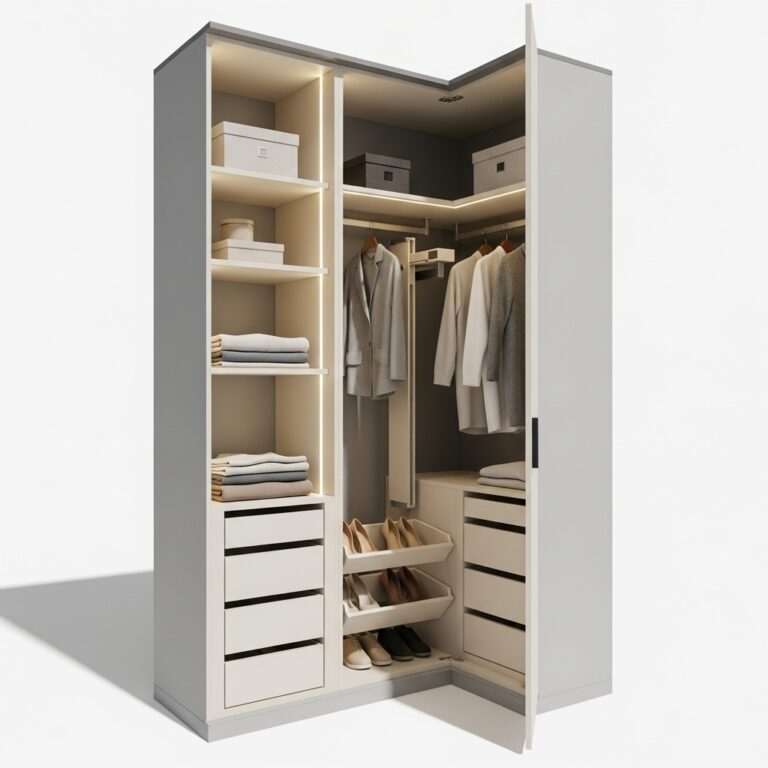
Instead of short, bulky dressers, go for tall wardrobes or vertical shelf units with bins and drawers. This makes full use of the room’s height while keeping clothing organized and accessible. It’s a great solution for storing off-season items up high and everyday wear down low. Vertical storage ensures that no space is wasted and keeps everything in its rightful place.
Final Thoughts
With smart planning and creative choices, a small kids’ room can become a comfortable and inspiring environment full of function and fun. From vertical storage to multi-functional furniture, the right ideas will help you transform limited square footage into a well-organized, playful space. Keep it light, flexible, and personalized, and your child will love their little corner of the world.

Maria Hayes creates easy décor guides, DIY hacks, and small-space solutions designed to inspire beautiful, functional living. Her mission is to help you transform your home with creativity, confidence, and a touch of personality.