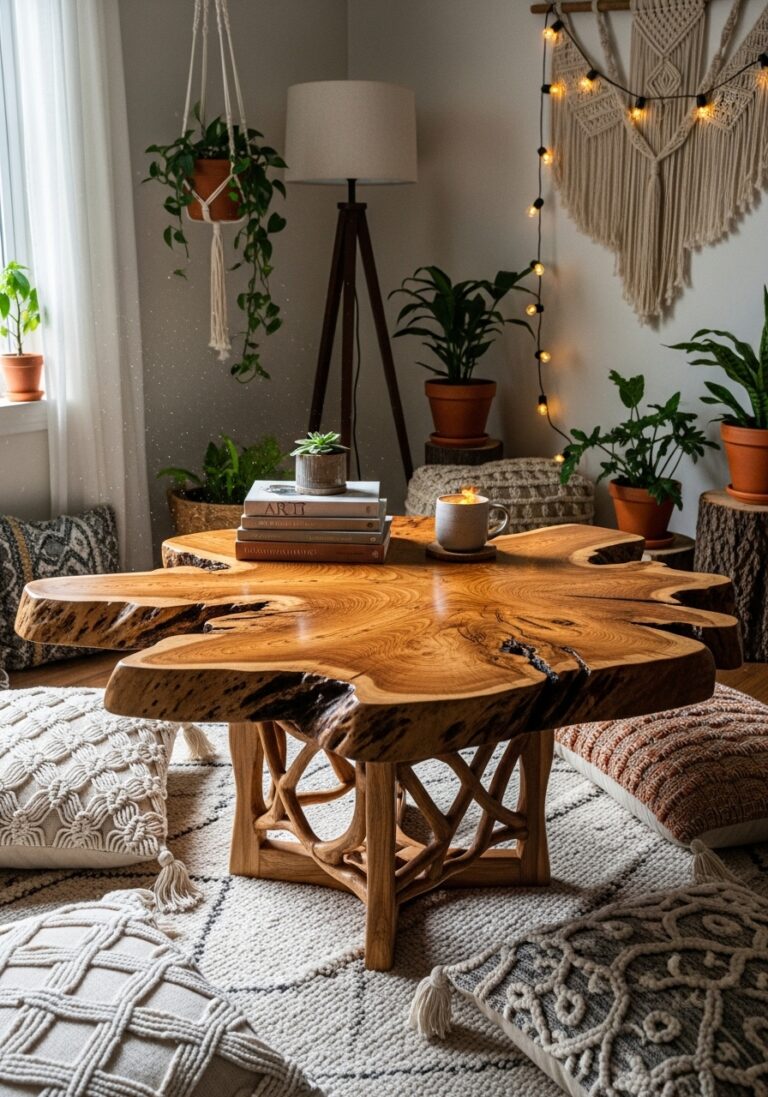
Coffee Corner Ideas That Make Your Home Feel Like a Café

My first coffee corner lasted about three weeks before it quietly became the place mail goes to die. Receipts. A phone charger I never used. One sad banana. The actual coffee stuff got shoved to the back behind a stack of unopened envelopes, and the whole thing stopped looking like a café and started looking like a junk drawer that had escaped.
I tell you this because every dreamy setup you’ve scrolled past online has a version of that banana just out of frame.
Anyway. I’ve done it properly since then, twice, in two different apartments, and I’ve got opinions now. Most of the coffee corner ideas floating around are about how the thing photographs. Almost none are about whether you’ll still use it in March. So let’s talk about the second thing.
Pick the spot before you pick the cute stuff

Here’s the order most people get wrong. They buy the cart, the canisters, the little neon sign, and then go looking for somewhere to put it all. Backwards.
Find the spot first. And the spot has rules, even if they’re boring ones. It needs to be near an outlet, because nobody wants to run an extension cord to their espresso dreams. It should be close to water if you can manage it, or at least not a marathon from the sink. And it has to be somewhere you already walk past in the morning, half-asleep, because if your coffee station is in a room you never enter before 9am, you won’t use it.
In my place it ended up being a stretch of counter at the end of the kitchen. Not glamorous. Right by the kettle plug, two steps from the tap. That’s the whole reason it works.
If you’re tight on space, and a lot of us are, the move is to go vertical or go mobile. A small rolling cart (the IKEA RÅSKOG is the cliché for a reason, it’s about $40 and it just works) gives you a coffee station you can wheel out of the way. Or claim a single shelf and stack upward. A good small space coffee station is less about square footage than about not letting it sprawl. The minute it spreads across the whole counter, the magic’s gone and you’re back to junk-drawer territory.
The machine is sort of beside the point

This is the part people don’t want to hear.
You do not need the big shiny espresso machine. I know. I wanted one too. I stood in a shop and let a very nice man explain pressure bars to me, and I almost did it. But here’s the thing about a home coffee bar: the machine is the least important part of whether it feels like a café.
What actually makes café coffee taste like café coffee is fresh beans and a decent grinder. That’s it. A burr grinder, even a cheap-ish one around $40 to $100, does more for your cup than a $700 machine paired with stale pre-ground beans from a tub. Grind right before you brew. That smell when you do? That’s half the café feeling already, free.
So if your budget is real, and most are, spend on the grinder and the beans. A French press or a pour-over cone costs almost nothing and makes genuinely good coffee. The espresso machine can come later, or never. I’ve had friends with gleaming chrome setups who drink instant on weekday mornings because the machine is a faff to clean. Be honest about which person you are.
That said. If you love the ritual of pulling a shot, and you’ll actually do it, get the machine. Joy counts. I’m just saying don’t buy it because it looks good on a shelf.
The clear-jar trap

Okay, the thing nobody tells you.
Those gorgeous clear glass canisters full of coffee beans, the ones in every single coffee bar idea photo? They’re a trap. Beans hate light and air. Stick them in a clear jar on an open shelf by a window and they’ll go stale and flat faster than you’d believe, and your lovely coffee corner will produce slightly disappointing coffee. It photographs beautifully. It tastes worse by day five.
Keep beans in something opaque and sealed, in a cupboard, and only put a small amount in the pretty jar if you must have the look. Or skip the display beans entirely and put something else in those jars. Sugar. Oat milk sachets. I genuinely don’t care, just not your good beans.
While we’re here: the wall menu sign with “ESPRESSO ~ LATTE ~ CAPPUCCINO” in cursive. You know the one. It’s fine if you love it. But it’s the fastest way to make a home coffee station look like it’s trying too hard. A café doesn’t put up a sign telling itself what it sells. Just a thought.
Mugs, and the slow creep of clutter

You will accumulate mugs. It’s a law of nature. The coffee nook becomes a mug graveyard if you let it.
Pick the ones you actually reach for. Six, maybe eight. The heavy ones with a good handle, the kind that feel nice at 7am. Hooks under a shelf are great for these, both for storage and because hanging mugs reads instantly as café. The rest of your mug collection, the novelty ones and the gift ones you feel guilty about, can live elsewhere. They don’t all need to be here.
A few things that earn their spot:
- A small tray. This is the cheapest upgrade there is. Corral the kettle, the grinder, the sugar onto a tray and suddenly the clutter looks intentional. Move the tray, wipe the counter, done. It’s almost cheating.
- Hooks or a small rail for mugs and a tea towel.
- One opaque container for beans, hidden, as discussed.
- A spot for the bin. Coffee grounds are messy and you’ll want somewhere close to knock them out, especially if you’re doing espresso. Plan for the mess, it happens daily.
That’s most of it, honestly. The corners that work are the ones that fight clutter on purpose.
What actually sells the café feeling

This is the soft, slightly woo part, but it’s true.
It’s the small stuff. A café feels like a café because of texture and light, not because of the equipment. A little warm lamp instead of the overhead kitchen light. A tiny plant that survives neglect, a pothos, low light, hard to kill. A wooden board or a stone tile under the machine. One framed print, nothing that announces COFFEE, just something you like looking at while the kettle goes.
In my current kitchen the thing that did the most was, weirdly, a small rug. A little runner in front of the counter. Cost me twenty quid. It made a strip of laminate feel like a destination, like a spot you go to rather than a counter you stand at. I can’t fully explain it. It just worked.
And give yourself one nice mug. Not the set, one mug, the good one, the one that makes the whole two-minute ritual feel like a small treat. That single object does more for the café feeling than any amount of signage.
A quick word on what this costs

Because the photos never tell you.
You can build a genuinely good coffee corner for not much. A cart or a claimed shelf, a $40 grinder, a French press, a tray, some hooks, beans from a local roaster. You’re looking at maybe $80 to $150 all in, and most of that’s the grinder. That setup makes real coffee and looks calm and intentional, which is the actual goal.
Or you go up from there. A solid drip machine, a proper espresso setup, nicer ceramics, custom shelving, and you can spend many hundreds without blinking. Both are fine. The mistake is spending the money on the photogenic parts, the canisters and the sign and the marble board, and skipping the grinder. That gets you a coffee bar that looks expensive and brews mediocre coffee, which is the saddest outcome of all.
Spend where the cup gets better. Decorate with whatever’s left.
I made my flat white this morning standing on that twenty-quid rug, in the good mug, and it was genuinely better than the place down the road that charges me four pounds for the privilege. So. There’s that.

I’m Sumayya and I love turning ordinary spaces into ones you’ll never want to leave. Whether it’s cozy cottagecore corners, bold maximalist magic, or sleek modern minimalism, I’m here to help you discover your style and bring it to life without spending a fortune. Ready to refresh your space? Let’s make it happen!